Backpacking Kungsleden
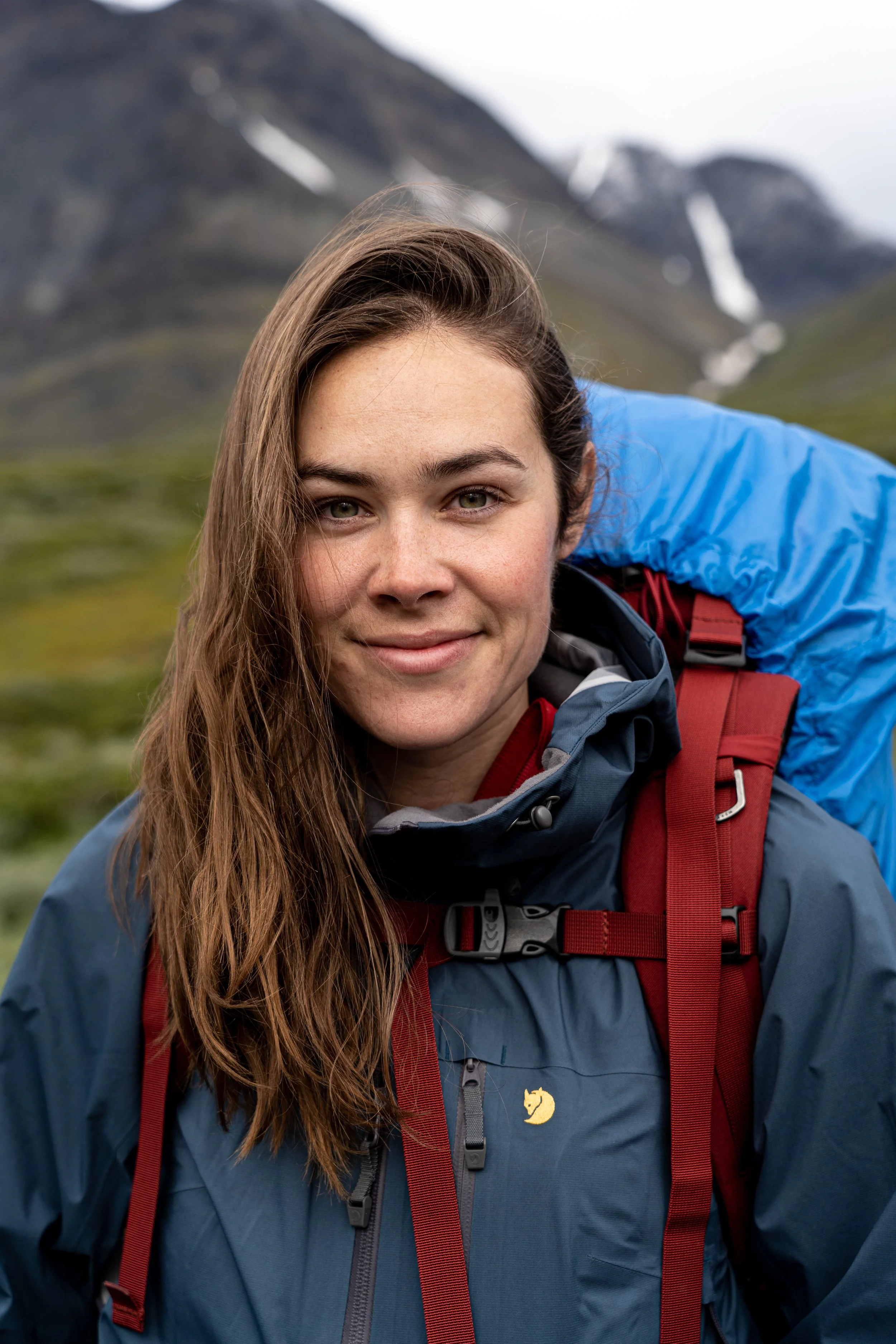
Photo by Anette Andersson for Fjällräven
The only way I can describe Kungsleden, a Swedish long trail that extends into the Arctic Circle, is that it’s the trail of dreams. On a five-day trek last August stretching 70 miles from Nikkaluokta to Abisko, I drank directly out of rivers and streams, waltzed along boardwalks that made easy work out of miles of scree fields, and ended most evenings with a swim in Arctic waters or a sauna session at a wilderness mountain hut. Thanks to Sweden’s Right to Roam, I pitched my tent wherever it made sense, and thanks to endless summer days, I hiked well into the evenings and barely needed a headlamp.
Trekking so far while carrying a 30- to 35-pound backpack with all your food and equipment may sound like a lot if you’ve never done it. And it is—even for an experienced backpacker, Kungsleden can be exhausting even if it’s worth every muscle ache and blister. But if you’re curious about wilderness experiences where you can get completely off the grid and you’re willing to try something new, it’s hard to imagine a more idyllic journey.
The Trail
Kungsleden, also known as the King’s Trail, spans 249 miles in total from Abisko to Hemavan. It was built in the 1800s by a group of geology students who wanted better access to the mountains. Their efforts led to the Swedish Tourist Association (STF), which now operates a network of backcountry huts, cabins, and hotels across the country.
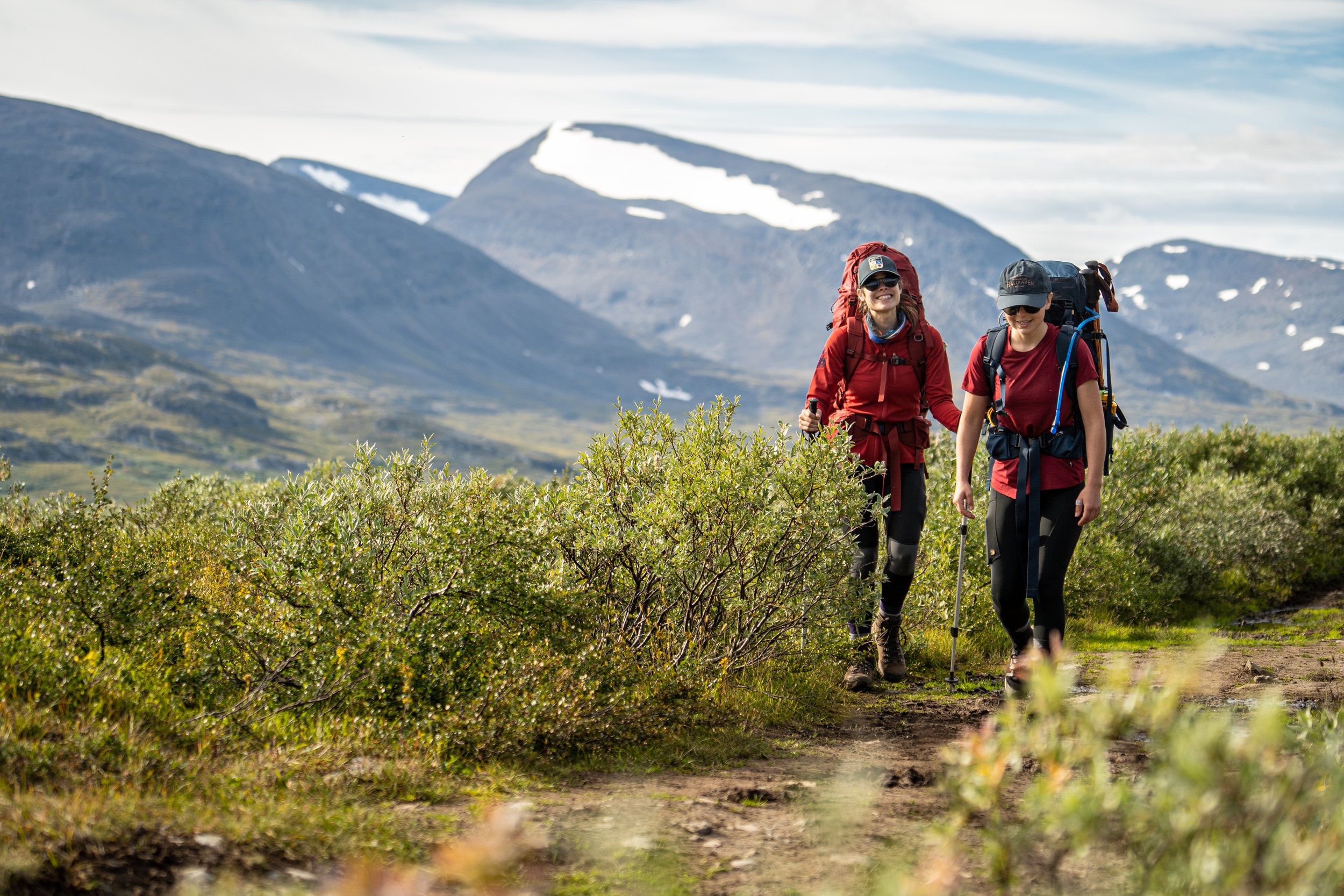
I hiked a 70-mile stretch of the trail last summer for the Fjällräven Classic, an annual social backpacking trip with over 1,500 participants. Along the way, we stopped for reindeer burgers at a backcountry eatery called Lapdonalds, swam in Arctic rivers and lakes, and warmed up in trailside saunas. As far as hiking conditions go, I’ve never seen a better-maintained trail, nor one so perfectly devoid of litter in spite of being massively popular. There was always someone to talk to when I felt chatty, the scenery was always worth marveling over, and in August the sun only just barely set between 9:30 p.m. and 4 a.m.
For me, Kungsleden felt like the perfect mix of an escape from reality plus the conveniences that make distance trekking a little easier. For most of the trek we were hours away from the nearest road, and yet I could still stock up on chocolate—a trail essential—at the mountain huts and stations we passed every day.
Ideal for Beginners
If you’ve never been backpacking before, doing a multi-day trip on Kungsleden is a great way to fall in love with hiking fast. It’s not as steep or high in altitude as some of the world’s other famous long trails, so it’s well-suited to beginners looking to challenge themselves without turning themselves off from hiking. You’ll be able to pack lighter than you normally would thanks to resupply sites for meals and snacks along the trail. There’s an abundance of fresh, clean water sources—so clean you don’t even have to filter it—which also really cuts down on the amount of water weight you have to carry.
How to Plan Your Trip
Unless you want to ski the trail, summer is the best time to go. Not only will you have better weather, you’ll be able to take advantage of the midnight sun, so you can truly hike at a leisurely pace that feels good, without rushing to get to your planned camping spot before dark.
You’ll find STF mountain stations and cabins along Kungsleden with varying degrees of services. Some have bunk rooms and/or hotel-style rooms, restaurants with hot dinners and breakfast buffets, and wifi. Others are a bit more primitive yet still stock an impressive range of backpacking meals, snacks, and sweet treats for the trail. If you’re new to hiking or if sleeping outside isn’t for you, you can book bunks or rooms in these places so you won’t have to carry a tent. This will make your pack much lighter, so it’s a good introduction to trekking.
Sweden has the Right to Roam baked into law. People can hike and camp basically anywhere they want, even on private property, as long as they’re being respectful of the nature, land, and the families who live on it. So, you can pitch your tent anywhere alongside the trail, which means you can hike at your own pace and be as leisurely as you’d like if you have the time to spare.
You can hike as little or as much of the trail as you’d like, just keep in mind that you may need to hike quite far in some places to get out of the wilderness. If you have five days, I recommend doing the 70-mile stretch between Nikkaluokta and Abisko, which both have access points for vehicles. In between, you’ll find stunning views of Kebnekaise, Sweden’s tallest mountain, you’ll cross glacial rivers on swinging bridges, and you might spot wild reindeer.
Hike in Good Company
If you’ve never done a backpacking trip like this before, going during the Fjällräven Classic is a great way to hike in good company. Last year, over 1,500 people hiked the Classic over the span of the same week, which means you can easily make new friends along the trail, and help and encouragement are never far away if you get into trouble.
I’ve been backpacking for just about 10 years now, usually one or two short trips per year on average, and I found the environment to be incredibly supportive and encouraging. I hiked with a group led by a professional guide, Johanna Ankarloo, and learned so much from her about blister care, muscle recovery, and general trail first aid along the way. I also enjoyed having something to share with less experienced backpackers in our group, which made me realize how far I’ve come from my first-ever backpacking trip in college, when a friend and I borrowed a tent that was far too big and heavy, so we left a few of the poles and stakes behind to save on weight (this did not turn out well for us).
This year, the Classic runs from Aug. 11 to 18. It costs about $250 to participate, which includes bus transfers from the airport or train station in Kiruna, luggage transport from the start to finish line, all of your backpacking meals and camp stove fuel for the trip, and a few little extras and surprises along the way. For example, at one of the checkpoints where we stopped to camp for the night, we were greeted with freshly pancakes. At another, we found lingonberry juice and brownies. Like I said: Dreamy. Absolute trail magic, and I’d do it all again without hesitation.
Originally published by Outdoors.com. Reprinted here with permission.